Natural Lip Balm vs. Conventional: What Sets Them Apart?
When it comes to lip care, you might wonder what sets natural lip balms apart from conventional ones. These two options differ considerably in their ingredients and impact on your lips and the environment. If you're curious about how each type moisturizes and safeguards, as well as their safety for sensitive skin, you're not alone. Let's explore the nuances that could influence your next purchase decision.
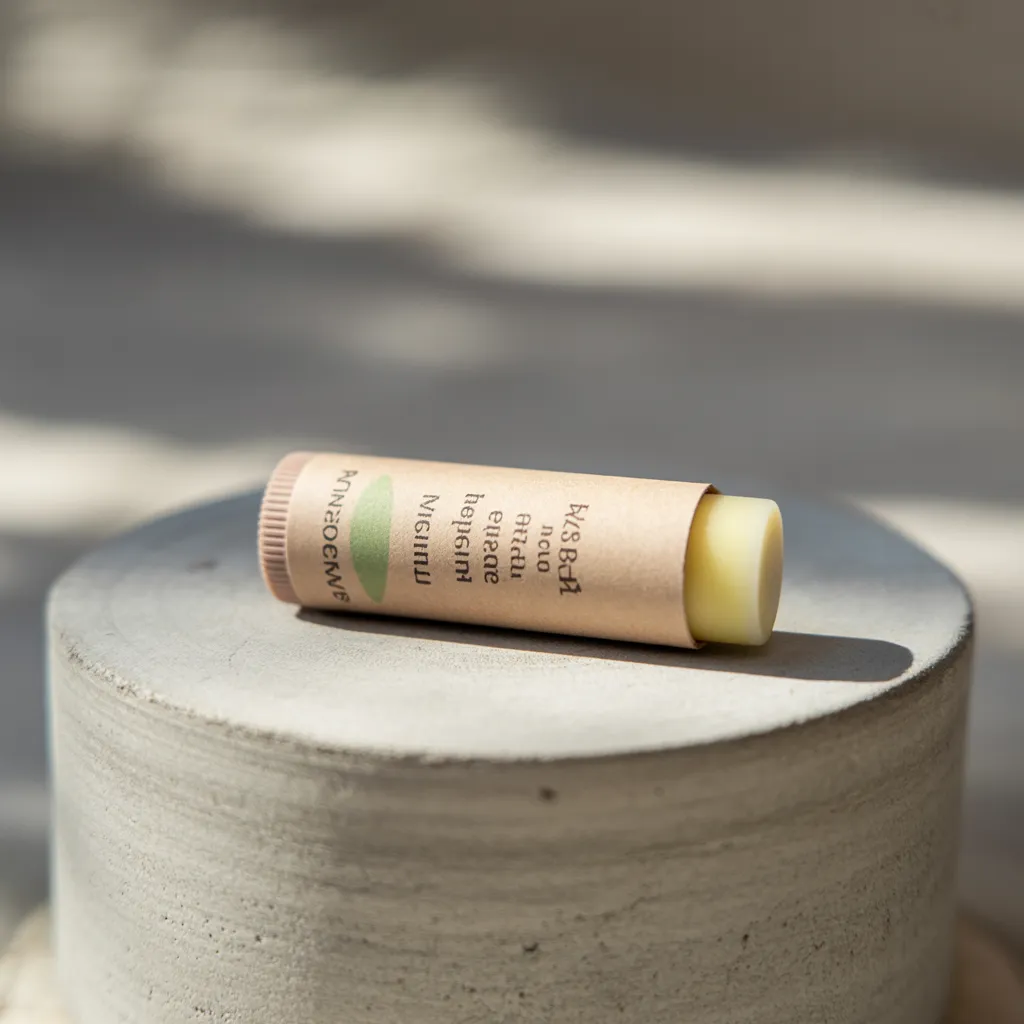
What Ingredients Define Natural Lip Balm?
If you choose a natural lip balm, you'll notice it typically contains simple, plant-based ingredients. These balms commonly feature nourishing oils such as coconut, jojoba, or almond oil, which hydrate and smooth your lips. Beeswax or plant-derived waxes create a protective barrier, preserving moisture without overwhelming your skin. You may also discover natural butters, such as shea or cocoa butter, that provide creaminess and additional nourishment. Essential oils commonly enhance the scent and provide therapeutic properties, while natural flavorings keep flavors appealing without artificial additives. On the whole, natural lip balms prioritize ingredients you can recognize and trust, making them an excellent choice for those seeking a healthier, more eco-conscious option for lip care.
What's Inside Standard Lip Balm?
Conventional lip balms often depend on synthetic ingredients and chemicals that might differ from those found in their natural counterparts. Typical components include petrolatum, a petroleum-derived substance that provides a barrier but lacks moisture. You could also encounter artificial fragrances and flavors, which can irritate sensitive skin. Preservatives like parabens work to extend shelf life, but they raise concerns about potential health risks. Moreover, some balms contain dyes to boost color, providing them with a more appealing look. While these ingredients can be successful for temporary relief, they may not offer the long-lasting benefits of natural alternatives. Being aware of what's in your lip balm can help you make educated choices about your skincare.
Moisturization Methods: Natural vs. Conventional Lip Balms
When deciding between natural and conventional lip balms, it's crucial to examine how each type moisturizes your lips. Natural ingredients often rely on oils and butters, while conventional options may employ synthetic chemicals for hydration. Grasping the differences in their ingredients and long-term effects can enable you to make a better decision for your lip care.
Overview of Natural Ingredients
Organic lip balms leverage botanical components to offer dependable moisture without chemical additives. You'll discover components such as shea butter, coconut oil, and beeswax that combine to seal in hydration and form a defensive layer on your lips. These natural emollients nourish your skin while preventing dryness and chapping.
By comparison, you may discover that many traditional balms rely on petroleum-based products, which can deliver a temporary barrier but may not nurture your lips effectively. Natural balms typically include botanical oils and vitamins, encouraging healing and soothing irritation. When you pick a natural lip balm, you're choosing a nurturing experience that promotes your skin's health and vitality, keeping your lips soft and hydrated naturally.
Chemical Elements Comparison
In comparing the chemical composition of lip balms, it's obvious that the means of moisturization differ greatly between natural and conventional alternatives. Natural lip balms generally use natural oils, such as coconut or jojoba oil, which soak into the skin and provide hydration without harsh substances. These components work with your skin's natural protection, supplying moisture without obstructing pores.
In contrast, conventional lip balms typically contain petrochemical ingredients including mineral oil and synthetic waxes. Though they may create an immediate seal, they can create a dependency on the product, as they fail to nourish your lips. Grasping these distinctions helps you select a lip balm that corresponds to your skincare values and needs.
Long-Term Impact Assessment
Choosing between natural and conventional lip balms can considerably influence your lips' health over time. Natural lip balms commonly use enriching ingredients like beeswax, shea butter, and essential oils, promoting hydration without harmful chemicals. Over the long term, these ingredients can help copyright your lips' moisture barrier, preventing excessive dryness and irritation.
On the other hand, conventional lip balms frequently contain man-made compounds and preserving agents. While they may offer instant relief, they can lead to dependency, causing your lips to feel drier without them. This cycle may promote constant reapplication, eventually worsening your lip condition. By opting for natural balms, you're effectively investing in more healthy, softer, and more resilient lips in the long run, fostering overall lip health that lasts.
Is Natural Lip Balm Better for Sensitive Lips?
For sensitive lips, the ingredients in your lip balm really matter. Natural lip balms frequently utilize fewer synthetic chemicals, which can lower the risk of allergic reactions. Furthermore, they commonly give better hydration and nourishment, making them a perfect alternative for delicate skin.
Quality Ingredients Matter Most
While countless people search for chapped lip relief, the choice between natural and conventional lip balms often depends on ingredients. Natural lip balms generally contain plant-based oils, butters, and waxes, which can be softer on your skin. Ingredients like coconut oil, shea butter, and beeswax hydrate without harsh chemicals or artificial fragrances. On the other hand, conventional lip balms may include artificial ingredients, preservatives, and flavors that can irritate sensitive lips. If you've got a history of sensitivity, going with products with fewer and simpler ingredients can make a considerable difference. Always check labels to confirm you're choosing a balm that matches your skin's needs, as this can help you obtain that soothing relief you're searching for.
Allergenic Potential Comparison
Although both natural and conventional lip balms can provide relief, the allergy potential of their ingredients often generates concerns for those with sensitive skin. Natural lip balms typically have fewer synthetic additives and preservatives, which can be triggers for allergic reactions. In contrast, they often use plant-based oils and butters, which are less likely to irritate your lips. On the other hand, conventional lip balms can include artificial fragrances, dyes, and chemicals that can cause sensitivity. If you have a history of allergies, choosing natural lip balms may be a safer choice. Still, always review ingredient lists, as some natural ingredients can still cause reactions. At the end of the day, testing a small amount can help you determine what works best for your sensitive lips.
Moisture and Nutrient Benefits
Natural lip balms often excel in providing hydration and nourishment, making them a popular choice for those with sensitive lips. You'll notice that several natural blends incorporate elements like shea butter, coconut oil, and beeswax, which intensely nourish and calm your lips. These ingredients help lock in moisture without harsh additives that can irritate sensitive skin.
Conversely, conventional lip balms often feature artificial ingredients or fragrances that could exacerbate dryness or irritation. By opting for natural products, you can expect to experience a milder and efficient treatment for your lips. Furthermore, several natural lip balms are lacking allergens, making them more secure for those vulnerable to reactions. Overall, natural lip balms can be a beneficial selection for your sensitive lips.
Environmental Effects: Natural compared to Conventional Lip Balms
When examining the environmental impact of lip balms, it's essential to recognize the differences between natural and conventional options. Natural lip balms generally use biodegradable ingredients and sustainable sourcing methods, lowering their ecological footprint. You'll often find them packaged in environmentally friendly or compostable materials, which helps decrease waste in landfills. In contrast, conventional lip balms often contain synthetic chemicals extracted from petroleum, resulting in pollution and environmental harm. Their packaging usually involves plastics that aren't easily recyclable, causing long-lasting waste. By selecting natural lip balms, you're not only nourishing your lips but also taking a step toward a healthier planet. Your choice can make a difference, encouraging sustainability and helping safeguard the environment for future generations.
Does Natural Lip Balm Justify Its Price?
Is it truly worthwhile to invest more in natural lip balm? By choosing natural lip balm, you're committing to your health and the environment. Natural ingredients often mean fewer harmful chemicals, which can promote healthier lips and reduced irritation. You'll also find that many natural balms utilize sustainable packaging and ethically sourced materials, embracing eco-friendly values.
Additionally, natural lip balms tend to be richer in nutrients, providing better hydration and protection. You may notice longer-lasting effects, making your essential resource investment worthwhile. Though the price tag is higher, consider the perks: superior ingredients, enhanced hydration, and a reduced environmental footprint. At the end of the day, if you value quality and sustainability, all-natural lip balm is worthy of the extra cost.
How to Pick Between Natural and Regular Lip Balm?
What's the best way to decide which lip balm is best for you—natural or conventional? Start by assessing your skin type and any sensitivities. If you have sensitive skin or allergies, go with natural ingredients like beeswax, shea butter, or coconut oil, as they're gentler on skin. Next, consider your priorities. Do you want eco-friendly products or are you more focused on performance? Conventional balms often offer quick relief but may contain synthetic ingredients. Review the ingredient list; if you can't pronounce it, you might want to avoid it. Finally, think about scent and flavor. Whether you prefer a minty kick or a sweet vanilla, ensure it aligns with your personal taste. Pick what feels right for your lips!
Frequently Asked Questions
Do Natural Lip Balms Have a Shorter Shelf Life Than Conventional Ones?
Natural lip balms may expire more quickly than traditional ones because of reduced preservatives. You should check the expiration date and store them properly to extend their shelf life. Always trust your senses for freshness!
Are There Any Allergens in Common Natural Lip Balm Ingredients?
Absolutely, frequent allergens in natural lip balms include shea butter, beeswax, and specific essential oils. If you have sensitivities, always review ingredient labels to steer clear of potential allergic reactions and verify your lip balm meets your needs.
How Do I Identify if a Lip Balm Is Authentically Natural?
To find out if a lip balm's genuinely natural, examine the ingredient list for familiar, plant-based substances. Stay away from products with synthetic additives or chemical compounds. Labels like USDA Organic can also assist confirm its natural status.
Can Natural Lip Balms Offer Sun Protection?
Organic lip balms typically don't deliver meaningful sun protection unless they clearly contain SPF ingredients. Always check the label to ensure you obtain the protection you need while keeping your lips well-hydrated and healthy.
Can I Make My Own Natural Lip Balm at Home?
You can certainly craft your own natural lip balm right at home! Simply mix beeswax, shea butter, and your favorite oils. Personalize it using essential oils for aroma. It's simple, fun, and the results are amazing!